Frequently Asked Questions — BaliYTT
What is a 200-hour yoga teacher training?
A 200-hour yoga teacher training (YTT) is the foundational certification required to teach yoga professionally. It covers key areas such as:
- Asana (physical postures)
- Teaching methodology
- Anatomy and physiology
- Yoga philosophy
Most programs follow a general structure aligned with organizations like Yoga Alliance, but the depth and quality of training can vary significantly.
At BaliYTT, the focus is not just on completing 200 hours—it’s on ensuring you can actually teach by the end of the program.
Do I need to be advanced to join?
No.
You do not need to be highly flexible or advanced in yoga to join a teacher training. What matters more is:
- Consistency in your practice
- Willingness to learn
- Openness to feedback
Many students join with basic or intermediate experience.
However, this is an active training. You will be teaching, speaking, and participating daily. If you’re completely new to yoga, it’s recommended to build a regular practice before enrolling.
Will I be able to teach after the training?
That depends on the training.
Many programs issue a certificate, but not all prepare you to confidently lead a class.
At BaliYTT, teaching is built into the program from the beginning. You will:
- Practice teaching regularly
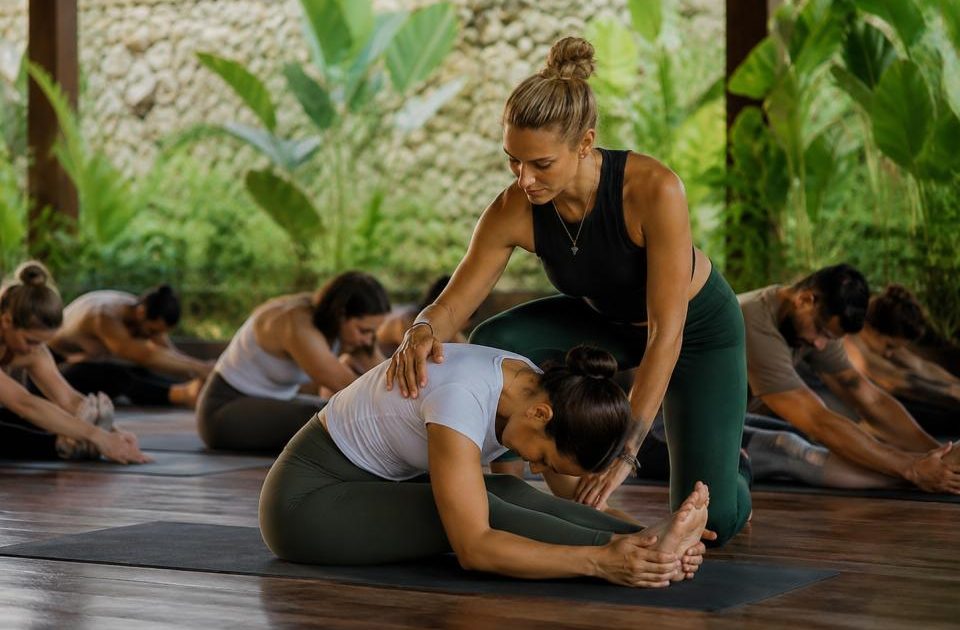
- Receive direct feedback
- Improve in real time
By the end, most students are able to:
- Lead a structured class
- Cue clearly
- Manage pacing and flow
The goal is not just certification—it’s capability.
What style of yoga is taught?
The core of the training is based on vinyasa-style flow, with elements of:
- Hatha yoga fundamentals
- Functional movement principles
- Yin yoga sessions
This combination reflects what most teachers actually use in studios and classes.
The emphasis is on:
- Clear sequencing
- Practical teaching skills
- Adaptability across different students
Is Bali a good place to do a yoga teacher training?
Yes—but for specific reasons.
Areas like Ubud have become global centers for yoga and wellness. The environment supports:
- Focus and immersion
- Daily routine
- Community with like-minded people
However, the location alone does not determine the quality of a training.
BaliYTT uses the environment to support the process—but the structure and teaching are what matter most.
What certification do I receive?
Upon successful completion, you receive a 200-hour yoga teacher training certificate.
This can typically be used to register with organizations such as:
- Yoga Alliance International
- Other independent yoga registries
Registration requirements vary by organization, but most accept 200-hour certifications from recognized training programs.
Is Yoga Alliance registration required to teach?
No.
You do not legally need to be registered with any organization to teach yoga in most countries.
Registries like Yoga Alliance provide directories and standards, but they are not licensing bodies.
What matters more in practice is:
- Your ability to teach
- Your confidence in leading a class
- Your experience working with students
What is a typical daily schedule?
While schedules vary slightly, a typical day includes:
- Morning practice
- Technique and alignment sessions
- Teaching methodology
- Practice teaching
- Group feedback
Expect full days.
This is an immersive program designed to accelerate your learning in a short period of time.
How physically demanding is the training?
Moderately demanding.
You will be moving, practicing, and teaching daily. However:
- Classes are structured to be sustainable
- Rest and recovery are built into the schedule
- Modifications are always available
You do not need to be at peak fitness, but you should be prepared for consistent physical activity.
What is included in the training?
Typically included:
- All training sessions and materials
- Instruction from lead teachers
- Certification upon completion
Depending on the package, some programs may include:
- Accommodation
- Meals
- Airport pickup
Details vary by intake, so always check the specific offering before booking.
Where will I stay in Bali?
Accommodation varies depending on the program package.
Most Bali YTTs are based in or around Ubud, known for its yoga studios, cafes, and natural surroundings.
Options usually include:
- Private rooms
- Shared rooms
- Off-site accommodation
Bali offers a wide range of options depending on budget and preference.
Do I need a visa to attend?
Visa requirements depend on your country of origin.
Many travelers enter Indonesia on a tourist visa or visa-on-arrival.
For official information, refer to:
- Indonesian Directorate General of Immigration
Always check current requirements before traveling, as policies can change.
How much does a Bali YTT cost?
Prices vary widely.
Typical ranges for Bali YTTs:
- Budget programs: $1,500–$2,500 USD
- Mid-range programs: $2,500–$3,500 USD
- Premium programs: $3,500+ USD
Cost depends on:
- Duration
- Accommodation level
- Inclusions
Lower price does not always mean lower quality—but it often means fewer resources, less feedback, or larger groups.
How do I choose the right yoga teacher training?
Look beyond marketing.
Focus on:
- How much teaching practice is included
- Group size
- Instructor experience
- Structure of the program
Many sites emphasize lifestyle and transformation. Those matter—but they don’t replace actual teaching skill.
Choose a program that aligns with your goal.
Can I do a YTT just for personal growth?
Yes.
Many students join for:
- Deepening their practice
- Building discipline
- Personal development
However, BaliYTT is structured as a teacher training first.
If your goal is purely relaxation or retreat, there are better options available.
What happens after I graduate?
After completing your training, you can:
- Teach classes (independently or in studios)
- Register with a yoga organization
- Continue developing your teaching skills
Most new teachers start by:
- Teaching friends or small groups
- Subbing classes
- Building confidence through repetition
The key is practice.
How do I apply?
Applications are typically straightforward.
You’ll need to:
- Complete an application form
- Provide basic background information
- Choose your training dates
Spots are limited in most Bali YTT programs, especially those with smaller group sizes.
Final Note
Choosing a yoga teacher training is a significant decision.
Bali offers many options. Some focus on experience. Some focus on lifestyle.
BaliYTT focuses on one thing: making sure you can teach when you’re done.